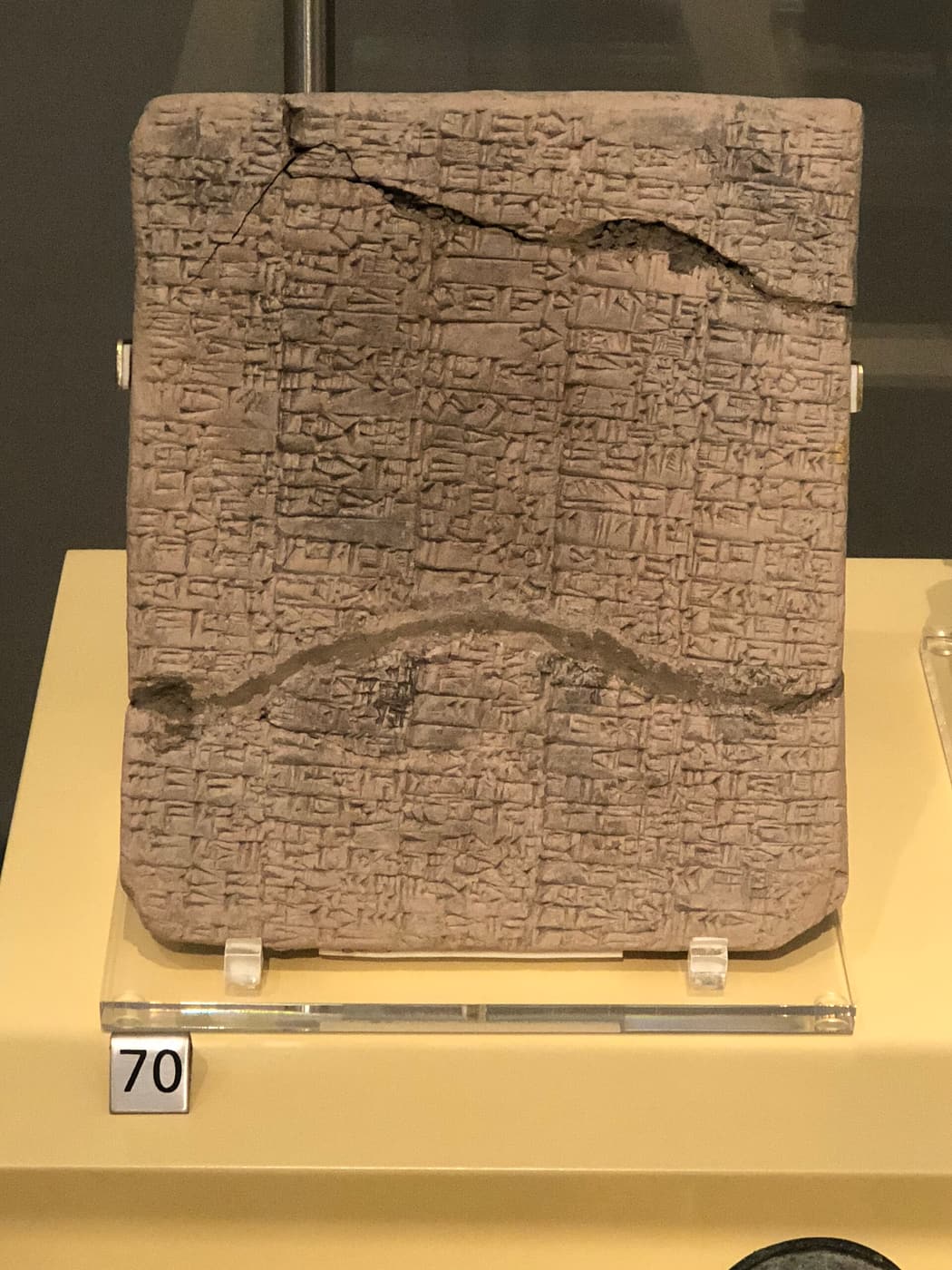
The Grammar of the Unseen begins where a good deal of modern demonology does not, which is with the oldest sources rather than with the confident claims made about them. Rather than asking what a demon is and then searching ancient literature for confirmation, each chapter asks what a given text actually says, in what language, at what date, and for whose purposes; before allowing any later system to explain the passage.
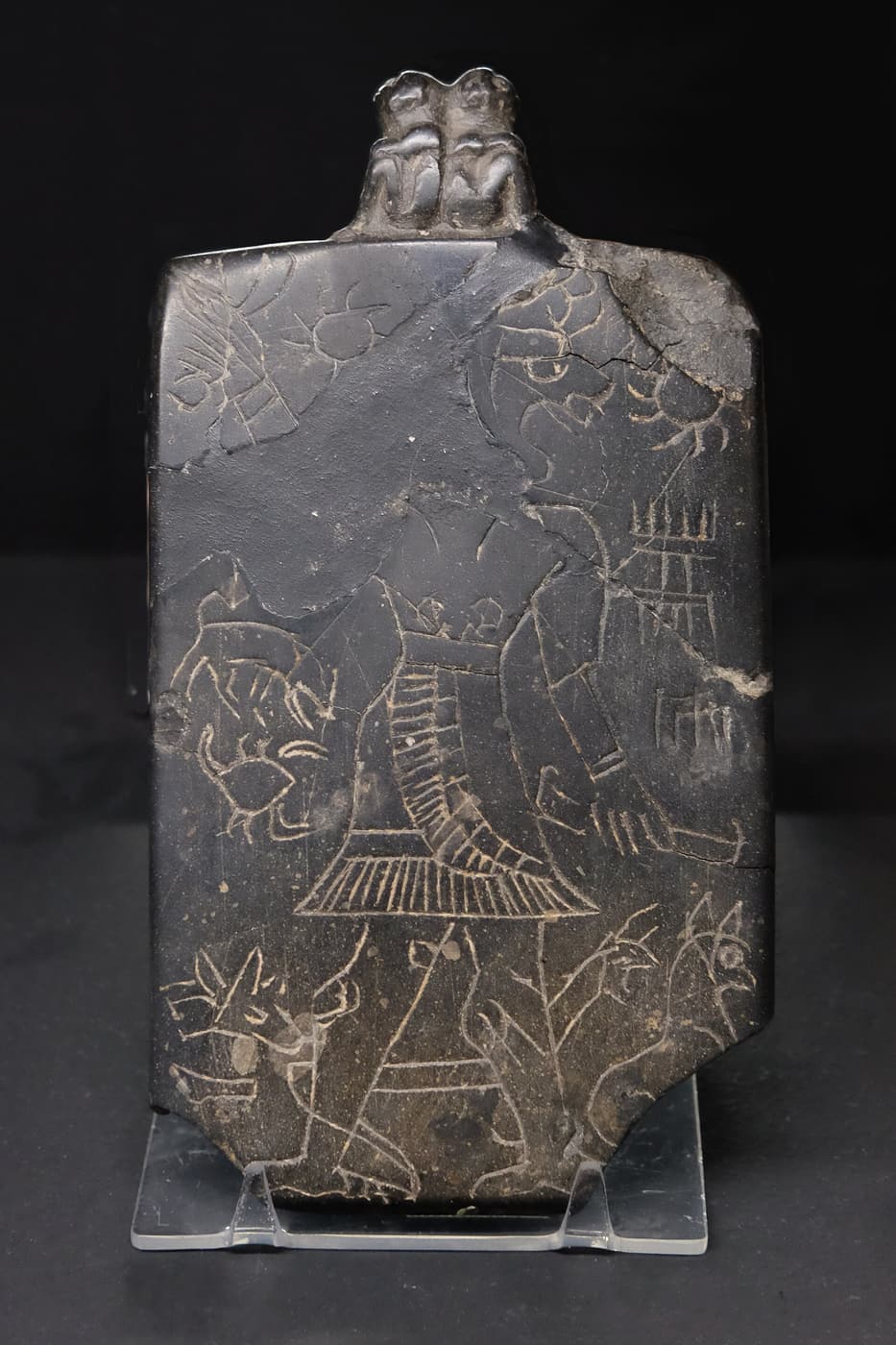
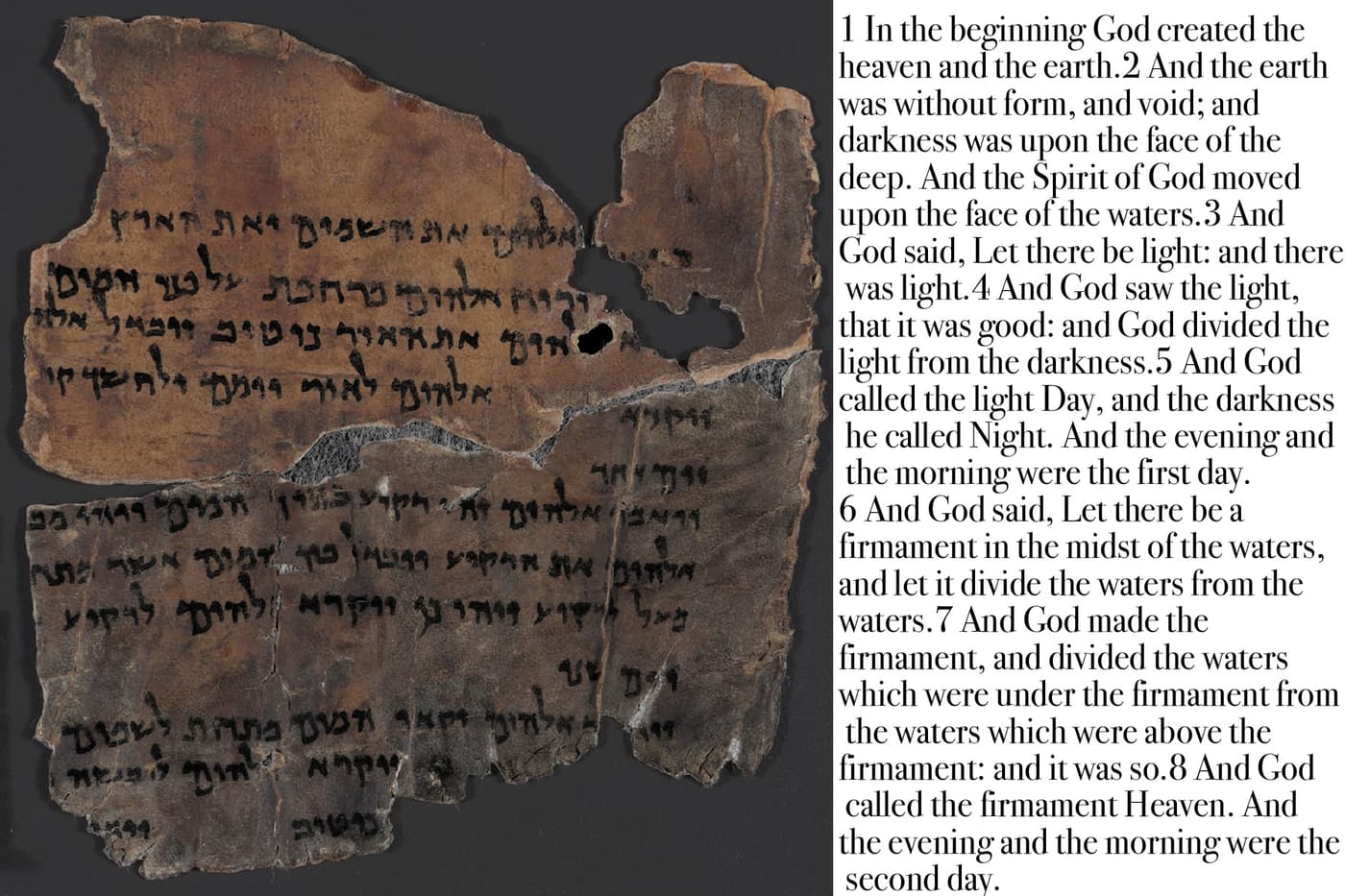
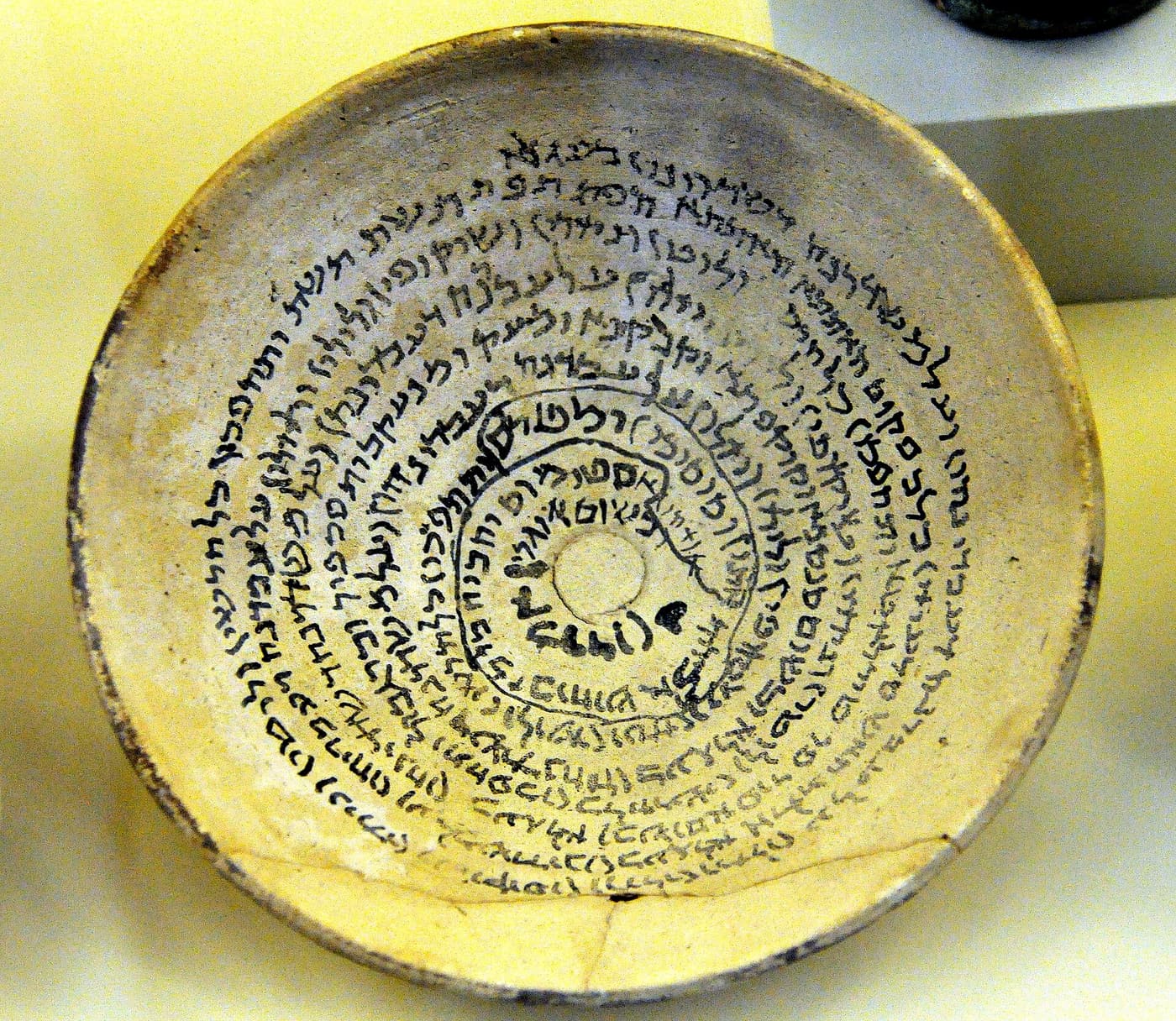
The route runs from Mesopotamian ritual texts and the notably restrained Hebrew Bible through the Book of Watchers, Jubilees, and the Dead Sea Scrolls; and on into the Gospels, Paul, the early church, the Roman Ritual, and the Ethiopian Orthodox tradition of the debtera. Across that distance a sparse biblical vocabulary grows into an elaborate demonology, although one that never grants evil a throne of its own, and watching the growth actually happen is considerably more interesting than any tidy summary of the result.
Modern claims get tested rather than repeated. Consent, haunted objects, possession of place, and the Zozo legend each receive the evidence they can genuinely support, and mental illness, trauma, and pastoral responsibility receive the attention that sensational treatments generally ignore.