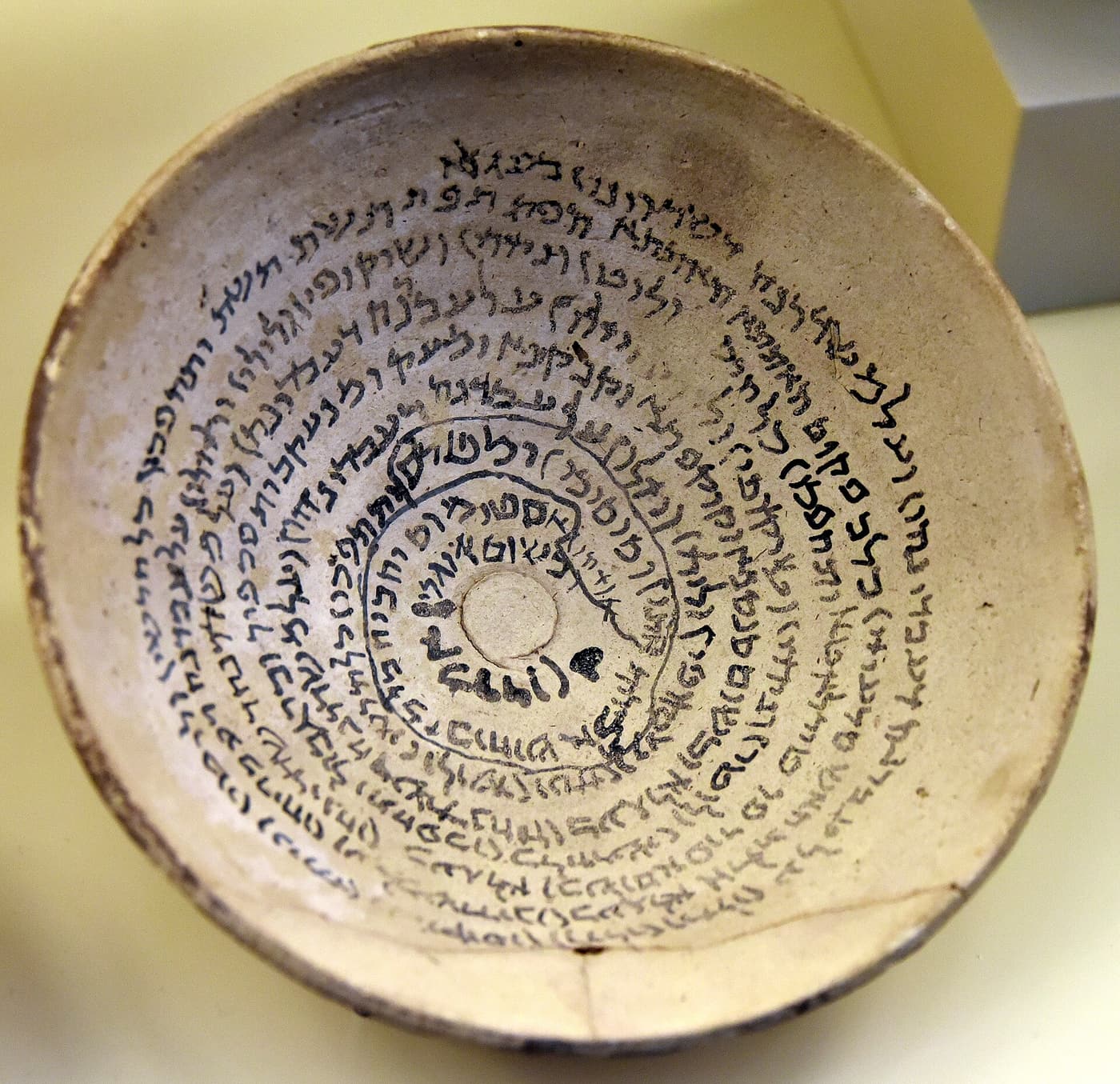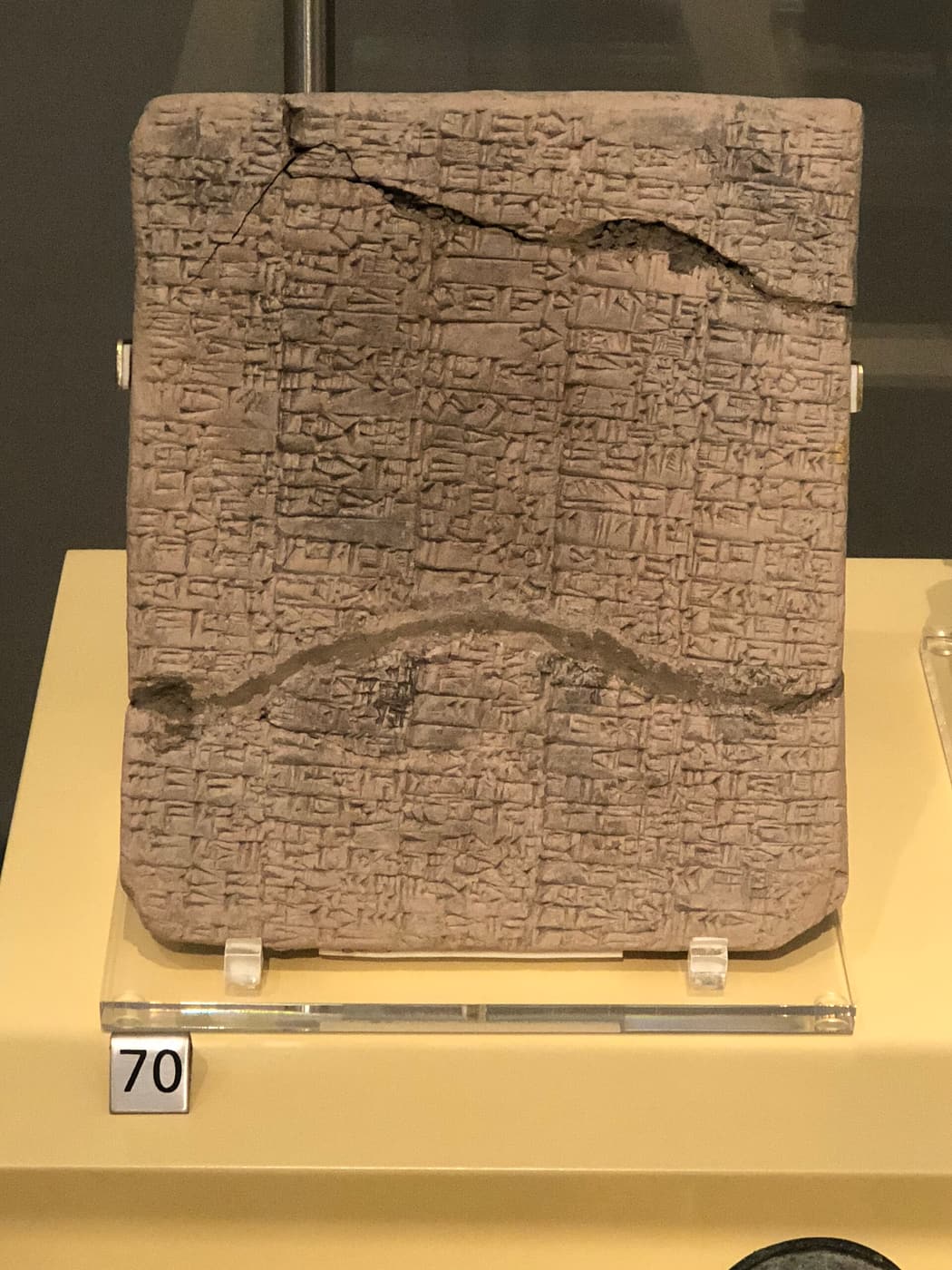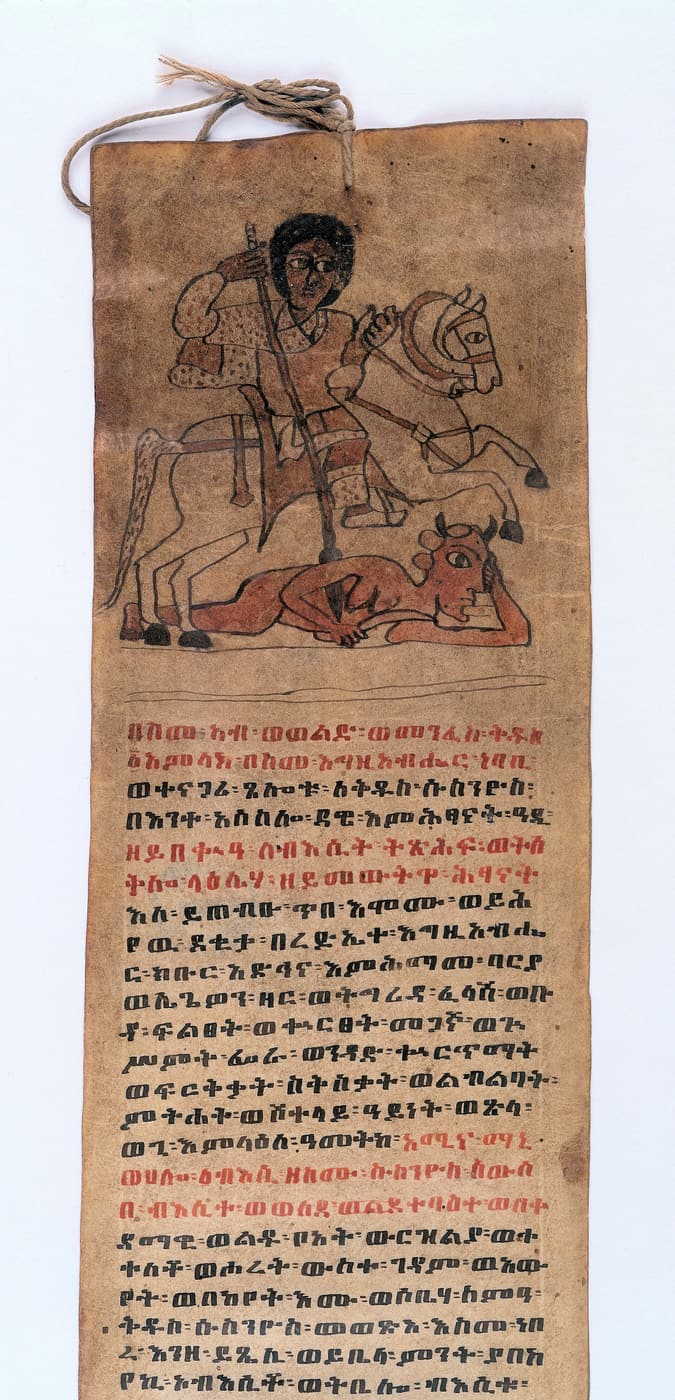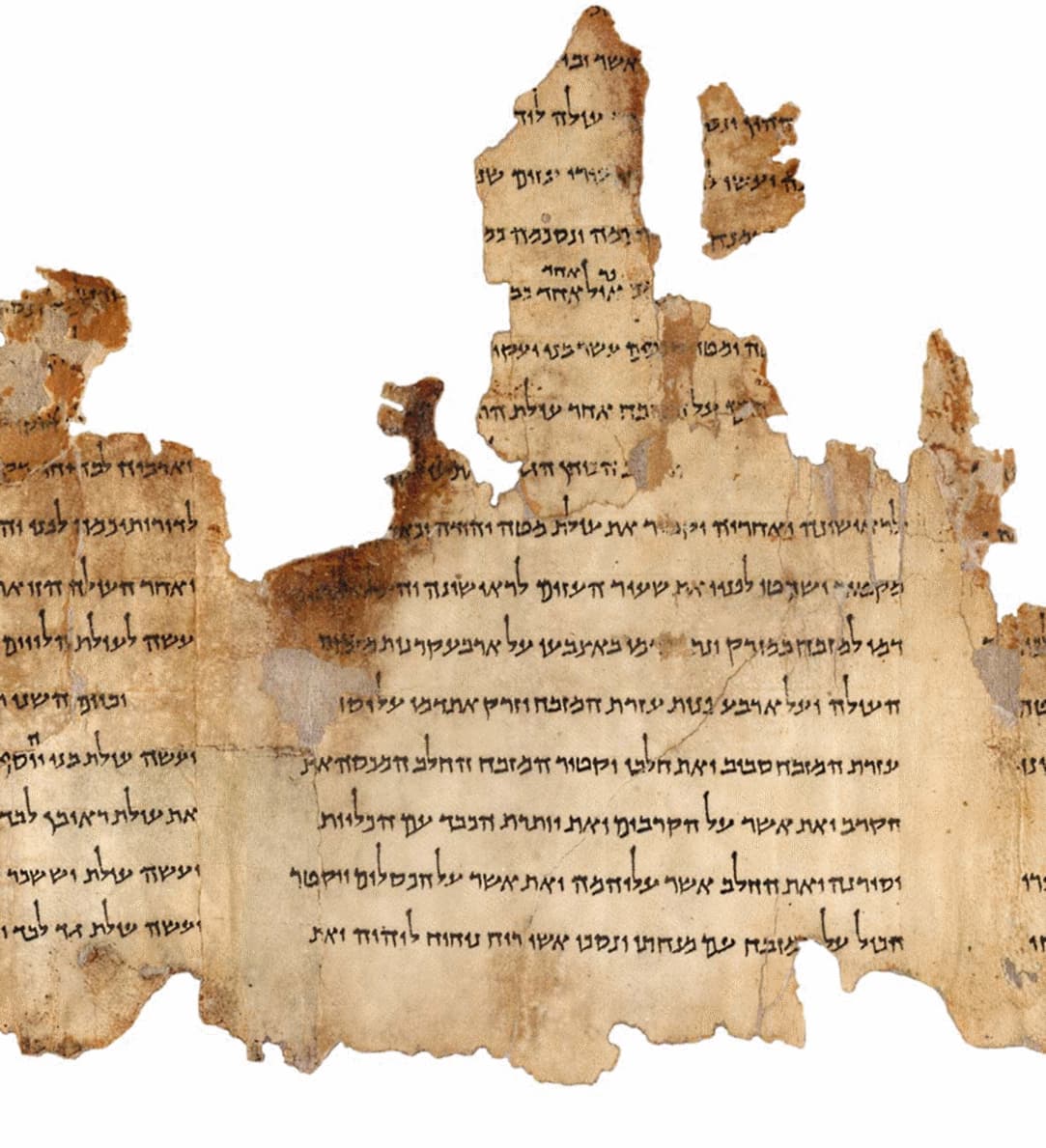
A book about demons can easily become a book for demons, at least in the sense that sensationalism, sloppy sourcing, and uncritical repetition tend to amplify the very confusions that serious demonology must resist. That risk is why this volume adopts the language of grammar. Grammar is not a catalog of interesting words but a disciplined account of how meaning is generated, constrained, and transmitted. In the study of the unseen, the danger is not merely superstition, but the collapse of categories: confusing late ideas for early ones, mistaking folklore for history, turning metaphor into ontology, and treating modern “lists” as if they were ancient taxonomies. “Grammar,” then, is a commitment to rules (philological, historical, and theological) that keep claims proportionate to evidence.
The same concern explains the subtitle’s insistence on “text and tradition.” Demonology in the modern imagination often means speculation about hierarchies, sigils, and capabilities. Yet the work of historical demonology is usually the opposite: the patient reconstruction of what particular communities meant when they used particular terms in particular contexts. When Southern Demonology defines demonology “at base [as] the study of demons,” the emphasis falls on categorizing information and interrogating the provenance of claims rather than collecting them. The same discussion explicitly warns readers away from both medieval grimoires and modern “this demon does X” handbooks, precisely because those genres frequently present assertions without transparent chains of evidence. This book takes that warning as methodological ground: where sources are unclear, conclusions must remain modest; where sources conflict, the conflict must be named rather than harmonized.
A grammar-focused demonology is also, perhaps surprisingly, more humane. One recurring pastoral failure in popular discourse is the tendency to turn moral struggle into a demon-of-the-week narrative. The podcast is blunt about this impulse: the habit of demonizing every vice (“demon of lust,” “demon of nicotine,” etc.) collapses moral agency into spiritual caricature. That critique does not deny spiritual reality; it insists that a responsible demonology must not become a machine for excusing the self or scapegoating the other. The grammar of the unseen therefore involves ethical guardrails: interpretive charity, caution with diagnoses, and refusal to “weaponize” demon language against ordinary human complexity.
Demonology as a Discipline of Limits
The first discipline is definitional restraint. Even in antiquity, the word demon did not carry a single, stable meaning. The Dictionary of Deities and Demons in the Bible notes that Greek daimōn and daimonion could refer to “divine power,” intermediary beings, or other-than-human agencies, meanings that later sharpened toward “Satanic demons” in Jewish, Christian, and magical texts. This shift matters because it warns against retrojection: later demonological dualisms can be read back into earlier monistic cosmologies as if they were always present. Yet the same DDD entry stresses that many ancient Near Eastern systems were fundamentally unified (however morally complicated), lacking an “arch-enemy Devil” and a rival demonic kingdom in the later sense. If one begins from late dualism, one will “find” demons everywhere in earlier texts, often by misunderstanding the grammar of the world that produced them.
Chapter 1 continues into what the word unseen is doing, and the book publishes on .
Join the launch list